
Do you want to launch a business to the world? Or lead an international organization? An international business degree can prepare you for the world stage!
By taking an international business degree, endless opportunities exist for you to work in different cultures and different countries.
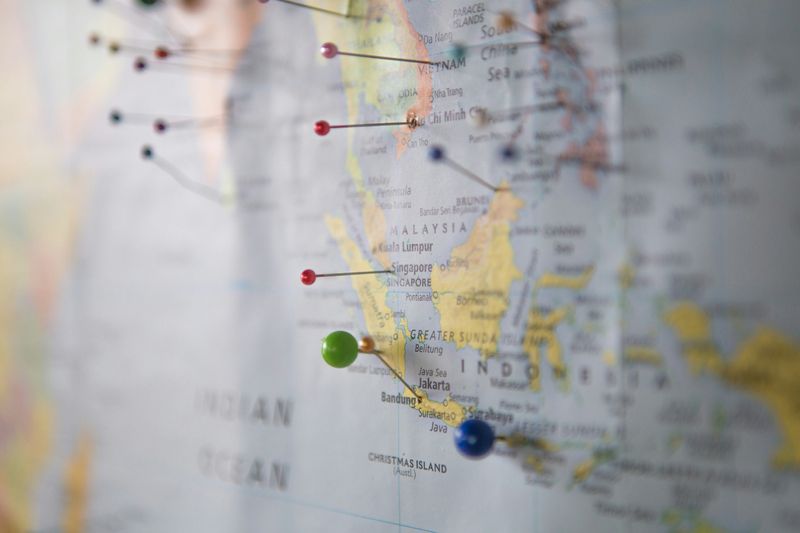 Photo by Z on Unsplash
Skills You Gain From an International Business Degree

Global Mindset & People Skills
These skills focus on the "human" element of international business: navigating different perspectives and leading across borders.
Culture: Respecting and learning from how the whole world lives.
Communication: Speaking clearly to any audience, anywhere in the world.
Leadership: Leading diverse teams to achieve a common global mission.

Strategic Thinking & Vision
This group of skills is about the "big picture": the high-level thinking used to steer a company or project.
Strategy: Creating long-term plans to reach big, worldwide goals.
Critical thinking: Seeing the big picture to make smarter, better decisions.
Entrepreneurship: Starting new ventures that grow and create real change.

Execution & Analytical Tools
These involve the practical "how-to" skills: the data, technology, and logic required to solve specific problems.
Problem solving: Finding creative fixes for the world’s toughest challenges.
Research: Using data to understand and help different communities.
Digital skills: Using modern technology to connect and work globally.
Global Career Paths for International Business Graduates
 Photo by Marek Studzinski on Unsplash
With the various skills you can get from an international business degree, you have several career options:
Want to manage people? Consider human resources or international management.
Want to manage money? Think about global banking, finance, or accounting.
Want to be creative? Marketing, advertising, or public relations could be right for you.
Want to fix problems? Business analysis or strategic planning might interest you.
This excellent career resource from Prospects highlights different career pathways available.
The "Global Fit" Quick Quiz
Here is a quick-fire quiz designed to help you identify your international business "vibe"! For each question, choose one answer:
 1. Which global impact sounds most exciting?
A. Scaling a massive tech giant
B. Helping charities change the world
C. Selling local products to experts
D. Managing trade for the government
 2. How do you prefer to solve problems?
A. Analyzing data for big decisions
B. Leading diverse teams toward missions
C. Creating bold, multi-cultural campaigns
D. Fixing complex global supply chains
 4. Which daily task sounds best?
A. Managing investments across different borders
B. Negotiating with global NGO partners
C. Designing ads for global audiences
D. Organizing logistics for worldwide shipping
 3. What is your primary career motivator?
A. High salary and corporate growth
B. Social change and helping others
C. Variety, creativity, and fast pace
D. Stability, policy, and international relations
 Once you've selected your answers, count up how many As, Bs, Cs, and Ds you have.
Mostly As: the Corporate Leader path (global banking, consulting, or finance)
Mostly Bs: the Purpose-driven Advocate path (charities, NGOs, or international management
Mostly Cs: the Creative Connector path (marketing, advertising, or public relations)
Mostly Ds: the Global Operator path (logistics, trade agencies, or recruitment)
You don't have to take these answers too seriously! However, they may give you some ideas about paths that might fit your goals and interests.
Type of Organisations You Could Work In
 Photo by Edgar Chaparro on Unsplash
Thinking about the environment you want to work in is just as important as considering different career paths open to you. A marketing manager role looks completely different at a massive global tech firm than it does at a small local charity.
Where You Can Work
Global corporations: large companies that do business in many countries.
Local exporters: UK businesses selling products and services abroad.
Charities and NGOs: non-profits helping people on a global scale.
Government agencies: public offices managing international trade and relations.
Common Types of Employers
Banks and finance: managing money and investments across different borders.
Marketing agencies: helping brands grow and speak to global audiences.
Tech companies: building digital tools used by people everywhere.
Logistics firms: moving goods and supplies around the world.
Ad agencies: creating global campaigns that connect with various cultures.
Consulting firms: advising big businesses on how to succeed internationally.
Recruitment firms: finding the best talent for jobs worldwide.
Still Not Sure Which Career Path to Take?
 Photo by Happy Lee on Unsplash
Feeling overwhelmed? The good news is that as business becomes increasingly global and connected, a degree in international business can provide you with the skills to lead, adapt, and solve problems across a range of industries and roles.
Taking a degree in international business keeps your options open and enables you to take many different career paths. The good news is that you don't need to decide everything now. As long as you undertake thorough research and plan ahead, you can figure it out as you go along.
To turn any ideas into a career plan, ask yourself these three questions:
Specialist or generalist? In a global corp, you might be an expert in one tiny niche. With a local exporter, you might have to do a bit of everything.
Profit or purpose? Does a high salary and corporate ladder motivate you, or do you need to see a social "win" at the end of the day to feel satisfied?
Stability or variety? Government roles offer high stability, while private sector agencies (marketing/advertising) offer a massive variety but can be more unpredictable.
Take Action
 Do some more research on potential career paths open to you with an international business degree:
Your feedback matters to us.
This Byte helped me better understand the topic.