
Did you know your phone charger, TV, and laptop are sipping power even when you’re not using them?
These energy vampires are called phantom loads and can add up to 10% of your electricity bill.
 Photo by Nadine E on Unsplash
Want to stop the leak? Discover simple ways to cut energy waste at home.
Spot Your Biggest Energy Users
Walk around your home and look for devices and appliances that are always plugged in or left on standby. Common offenders include:
Electronics with clocks or LEDs: Phone chargers, TVs, game consoles, speakers, and microwaves draw power 24/7, even when they're not in use.
Old or inefficient appliances: An old refrigerator, air conditioner, or heater can use much more electricity than newer models. Similarly, incandescent bulbs waste energy as heat compared to LEDs.
Lights and fans left on: Ceiling lights or fans running in empty rooms add to your usage.
 Photo by mostafa meraji on Unsplash
Keeping track of these “always-on” loads helps you know what to target.
For example, since lighting makes up about 15% of home use, upgrading bulbs or turning off unneeded lights can really pay off.
Quiz
Which of the following is an example of a phantom (standby) load?
Tips: Choose Smarter Devices 💡
Switch to LED bulbs. 💡
Modern LEDs use about 75 to 90% less energy than old incandescent bulbs and last much longer.
For instance, replacing a 60W bulb with an equivalent LED saves around $75 in electricity each year.
Look for ENERGY STAR or A+++ labels. ✨
Energy-efficient fridges, air conditioners, washers, and other appliances have special ratings. They use much less power for the same task.
Choose low-wattage appliances. ⚡
When buying electronics, choose those labeled as “low wattage” or “eco-friendly”. A kettle, heater, or fan designed to use less power will make a difference over time.
Use smart plugs or power strips. 🔌
Smart power strips can detect standby power and cut off the flow automatically. This ensures devices truly power down when not in use. Even a regular power strip allows you to turn multiple outlets off at once.
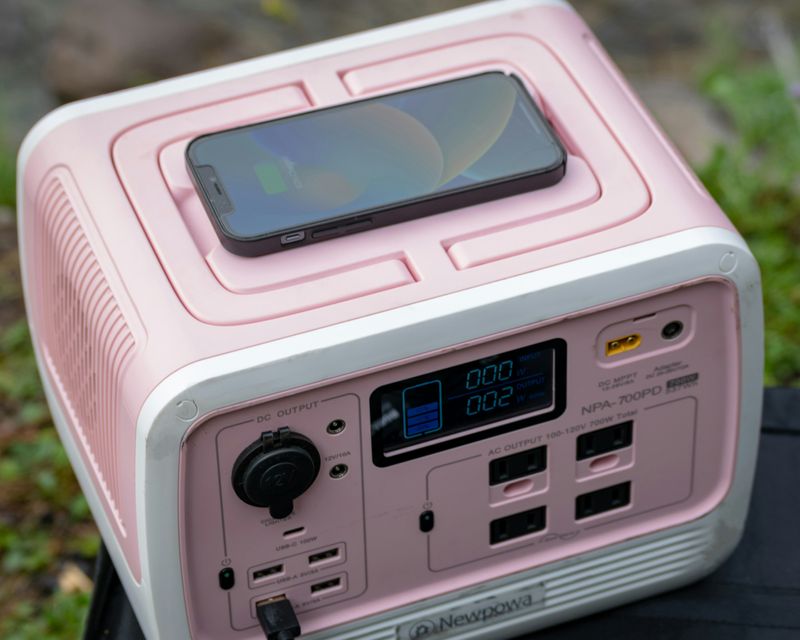 Photo by Newpowa on Unsplash
Practice Daily Energy-Saving Habits
Even without new gadgets, changing habits can reduce your usage every day. Try these actions:
Use natural daylight. 🌞
Instead of turning on lights, open curtains and blinds during the day.
Set air conditioning and heating wisely. 🌡
Keep your AC around 24-26°C (75-78°F) in warm weather.
Close doors and windows. 🚪
When the AC or heater is running, keep doors and windows shut. This prevents cool or hot air from escaping, so your system doesn’t work too hard.
Turn devices fully off. ⏻
Don’t leave electronics on standby. When you’re done with a phone charger, laptop, or gaming console, either unplug it or switch it off at the wall.
Charge only when needed. 🔋
Don’t keep your phone or laptop plugged in all night. Charge up, then unplug. Overcharging wastes some power and can shorten battery life.
 Photo by Drew Beamer on Unsplash
Quiz: Your Turn to Act 👣
Jay, a first-time homeowner, wants to make a big-impact change that reduces their electricity consumption. What can Jay do?
A. Replace one incandescent bulb with an LED.
B. Replace the old refrigerator with an energy-efficient one.
C. Use a power strip under their TV.
D. All of the above save the same amount.
Quiz
What can they do?
Take Action
Take 5 minutes to complete an energy reset and start saving right now! Try this quick challenge and do these three things today:
Your feedback matters to us.
This Byte helped me better understand the topic.