
Have you ever wondered what happens to all those fruit peels and veggie scraps after you throw them away? What if you could turn them into something that helps your plants thrive right in your home?
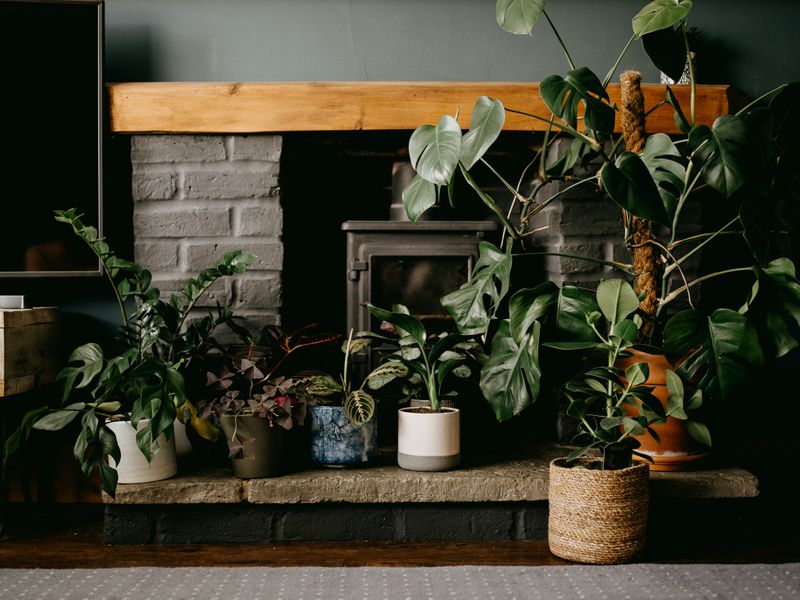
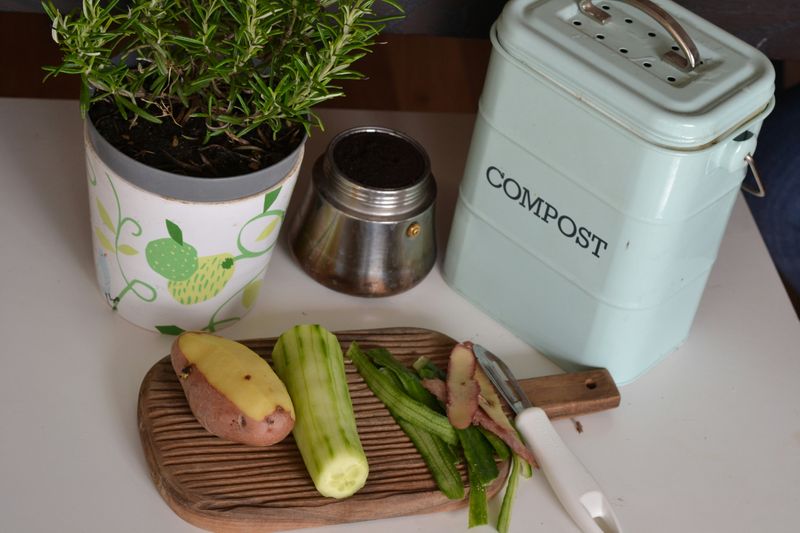 Photo by Lenka Dzurendova on Unsplash
Emma just moved into a small apartment and loves having plants, but her herbs struggled to grow, and her kitchen bin filled up fast. Then she discovered indoor composting — now her plants are thriving, and her kitchen waste is gone!
What is Composting?
Composting is a process in which microorganisms break down organic materials such as food scraps and waste using oxygen. Compost is a natural soil improver that supports plant growth and soil health. You can compost at home using kitchen food scraps and dry leaves or woody materials from your yard.
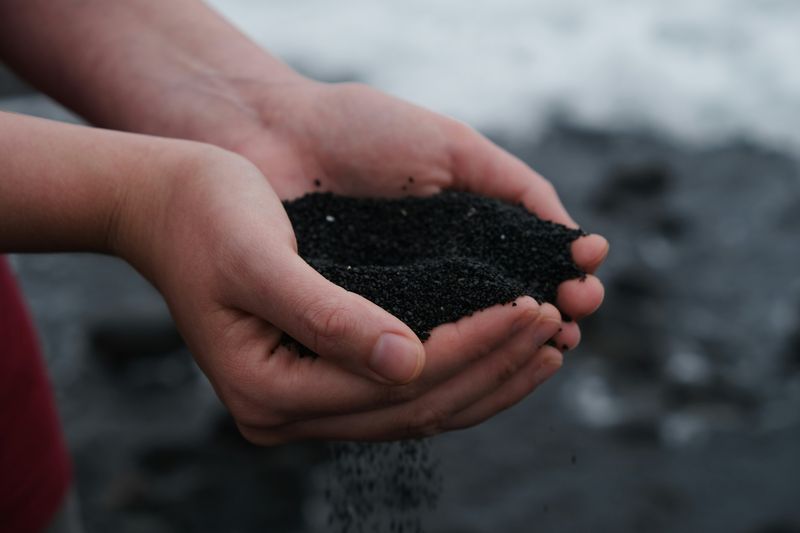 Photo by Seth Cottle on Unsplash
Why use compost indoors?
Nutrient boost for plants: Compost contains essential nutrients like nitrogen (N), phosphorus (P), and potassium (K) that help plants grow stronger and healthier.
Reduces waste: Instead of throwing fruit and vegetable scraps into the trash, you can transform them into something useful.
Better plant health: The microbes in compost improve soil structure, help roots absorb nutrients, and can even protect plants from some diseases.
Eco-friendly living: Composting reduces the amount of organic waste that ends up in landfills, lowering greenhouse gas emissions.
Types of Indoor Composting
There are several ways to compost indoors, depending on your space and lifestyle:
Bokashi bin: A compact system that ferments food waste quickly. It's ideal for apartments, as it can handle meat and dairy safely.
Countertop compost bin: A simple bin with a lid that stores kitchen scraps until you can transfer them to a compost pile or garden. It works best for small amounts of vegetable and fruit waste.
Worm farm (vermicomposting): Uses worms to turn scraps into nutrient-rich worm castings. It requires a small bin, some bedding, and a little maintenance.
Subpod composting: A subpod is an in-ground vermicomposting system where worms break down food and garden waste, releasing nutrients that naturally feed your soil and plants.
Quiz
Emma wants to start composting in her small apartment with limited kitchen space. She eats lots of vegetables and has many food scraps. She works long hours and wants something low maintenance. Which composting method is best for her?
Step-by-Step: Using Compost with Indoor Plants
Collect your scraps: Save fruit peels, vegetable ends, coffee grounds, tea leaves, and eggshells. Avoid meat, dairy, and oily foods unless you're using a bokashi system.
Process your compost: Depending on your system, your scraps will break down over a few weeks to a few months. Composting needs oxygen, so you need to aerate it. Stir, shake, or turn your compost regularly to let air in and keep microbes in.
Add compost to soil: Once fully decomposed, mix compost into potting soil at a ratio of roughly 1 part compost to 3 parts potting mix. You can also top-dress your pots with a thin layer of compost.
Observe your plants: Watch for healthier growth, stronger roots, and greener leaves. Over time, your indoor plants will thrive and have less need for chemical fertilizers.
Watch the video below for a tutorial on countertop composting:
Tips for Success
Start small and avoid odors: Adding compost in small, balanced amounts helps prevent strong smells. Specifically, nitrogen-rich greens can lead to anaerobic conditions (an environment with little to no oxygen) and unpleasant odors.
Balance green and brown scraps: A proper mix of green (nitrogen-rich; e.g. food scraps) and brown (carbon-rich; e.g cardboard) materials creates the right conditions for decomposition. Browns, such as dry leaves and shredded paper, help absorb excess moisture and maintain structure. A common rule of thumb is roughly 2–3 parts browns to 1 part greens to support efficient breakdown and reduce smells.
Keep it aerated: Microbes need air to break down scraps efficiently. Stir or shake your compost regularly.
Watch moisture: Compost should feel damp, not wet. If it’s soggy, add browns. If it’s dry, add a little water.
Quiz
Your indoor compost bin smells and is wet after a week. You've been adding mostly fruit scraps and coffee grounds. What's the best way to fix the problem and restore healthy composting?
Take Action
Your feedback matters to us.
This Byte helped me better understand the topic.