
You've been saving for a new laptop you really need and after a few months, you're finally getting close.
Then you see something you love go on sale. You tell yourself, "I'll make up for the laptop fund next month."
Buying it feels good at the time, but a month later you're still catching up on your savings.
 Image created by the author using AI
You know what? This way of thinking has a name — temporal myopia. When it's in play, we often value what we can enjoy now more than what will benefit us in the future.
Why Does Temporal Myopia Happen?
 The term temporal myopia may sound complicated, but it doesn't mean you're bad at managing money. It's just that our brains naturally prefer things we can enjoy sooner, which can make it harder to wait for future rewards.
Temporal myopia can influence your financial decisions without you realizing it. But with awareness and planning, you can overcome it and stay on track with your financial goals.
Temporal Myopia in Financial Decisions
Temporal myopia can show up in many everyday money decisions that you make.

A great sale: You're at the mall after buying a few things you need when you notice your favorite sneakers on sale. They weren't on your shopping list, but the discount feels too good to miss. You buy them quickly, telling yourself you'll adjust your budget later.
Buy now, pay later: You want to buy a new phone. The full price seems too much, but the "buy now, pay later" option makes the monthly payments look affordable. Owning the phone right away feels more rewarding than thinking about how the instalments will affect your budget in the coming months.

Found money: You receive a bonus at work. Instead of using some of it to pay upcoming bills or adding to your savings, you spend it on things you love. It feels exciting in the moment, but your financial goals stay exactly where they were.
Remember! Each decision may seem small on its own. But over time, prioritizing short-term rewards can make it harder to reach your long-term financial goals.
Temporal myopia doesn't have to guide every financial decision you make. A few simple strategies can help you work towards your long-term goals instead of choosing quick rewards.
1. Pause Before You Buy

When something catches your eye, it's easy to focus on how good it feels to buy it right away. Before you hit the buy button, give yourself some time before purchasing something you don't need. Once the excitement wears off, ask yourself:
Will I still find this useful a few months from now?
Will buying this now bring me closer to or further away from my financial goal?
This short pause can help you make a decision based on what matters more, not just how you feel in the moment.
Quiz
Jo is saving for a security deposit on an apartment. Her favorite band announces a concert next month and tickets go on sale today. She feels tempted to buy them. What should Jo do to overcome temporal myopia?
2. Picture Your Future Self
 Image created by the author using AI
It's easy to forget about your future self when you're tempted by things you want today. Imagine your future self as a real person with responsibilities and needs.
When you're about to spend money on something you don't need, picture how your future self might feel about that decision. Would they thank you for saving the money, or wish you had made a different choice?
Thinking about how your future self will be affected can make it easier to choose long-term rewards over short-term temptations.
3. Automate Your Savings
 It's easy to spend money when you see it sitting in your account. Set up an automatic transfer or move a fixed amount to your savings account or a jar whenever you're paid or receive pocket money.
By saving the money before you're tempted to spend it, you're less likely to use it on things you want in the moment. This can make it easier to stay focused on your long-term financial goals.
4. Break Big Goals into Smaller Ones
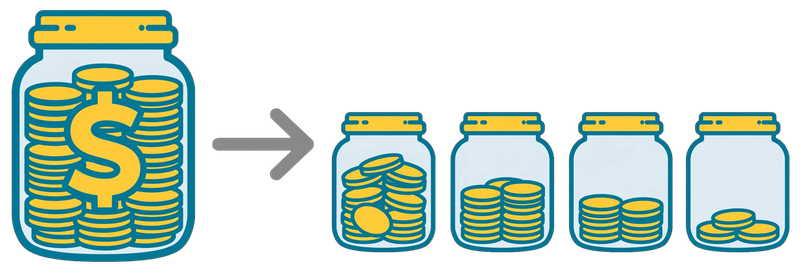 Image created by the author using AI
Big financial goals can feel far away, making it easier to choose what you want today. Break your goal into smaller milestones that you can reach one step at a time.
For example, if your goal is to save $5,000:
Make $100 your first milestone.
Once you reach it, aim for the next $100.
Repeat the process until you reach your goal.
Reaching each small milestone gives you a sense of reward in the present and keeps you moving toward your long-term goal.
5. Keep Your Financial Goal Visible
 It's easy to lose sight of a financial goal when you focus on what you want right now. Write down your financial goal or use a picture to tell yourself what you're saving for. Keep it somewhere you'll see every day, like your phone's home screen, mirror, or desk.
Seeing your goal regularly can remind you what long-term rewards you're working toward.
Quiz: Help Jasmine Overcome Temporal Myopia
Jasmine has been saving for a graphic design course she wants to take next year. Her friends invite her on a weekend trip that costs almost as much as she has already saved. She really wants to go, but also wants to stay on track with her goal.
What should Jasmine do to overcome temporal myopia?
A. Go on the trip. She has worked hard to save the money and can always continue saving afterward.
B. Ask herself how spending this money now would affect her progress toward the course before deciding.
C. Tell herself that the course isn't until next year, so she'll have plenty of time to save the money again.
D. Use part of her savings, borrow the rest from her parents, and save an extra $50 each week to make up the difference.
 Image courtesy of dooder via Freepik
Quiz
Which action is most likely to help Jasmine overcome temporal myopia?
Take Action
Temporal myopia can sneak into everyday money decisions. But these simple steps can help you think beyond what feels good right now and keep your future goals in mind.

Your feedback matters to us.
This Byte helped me better understand the topic.