
Picture this: You’re teamed with friends. You relax. Finally, no freeloaders!
But then someone says, “Wait, when was the deadline again?”
Friends might slack because they trust you…strangers might slack because they don’t know you. Social loafing can happen anytime and catch you off guard.
Here are 6 tips to prevent social loafing and keep every teammate accountable, no matter who’s on your team.

1. Break Down the Work
Break the project into clear tasks and make the workload fair to prevent social loafing. Allowing teammates to work independently saves time, avoids confusion, and gets things done faster.
For example, in a project like “Save the Ocean: Protecting Marine Life”, each person can focus on a different area, such as sources of pollution, affected endangered animals, or conservation efforts, so everyone contributes something unique.
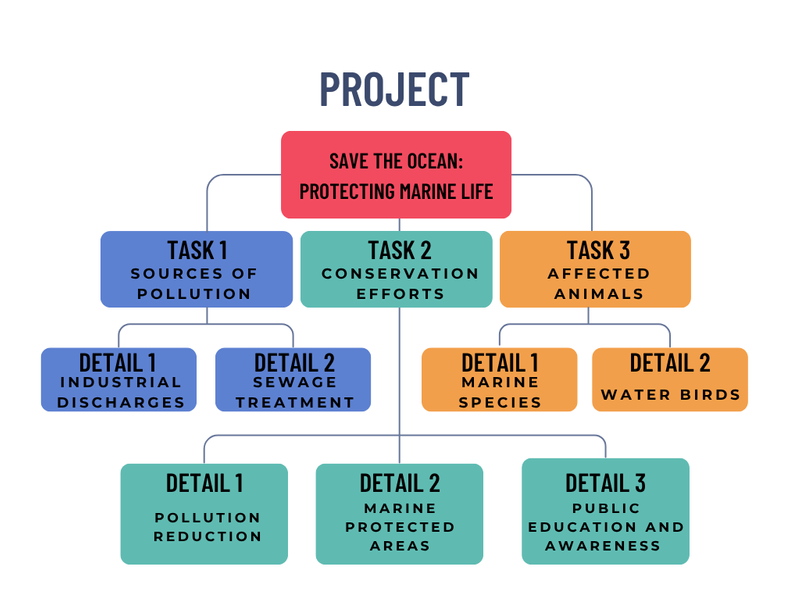
2. Pick Your Own Tasks
Once the work is divided, make sure everyone chooses what they want to handle. List them in the shared document. This motivates people by allowing them to do tasks that match their strengths and helps prevent social loafing.
If no one wants a task, break it into smaller parts, rotate it among team members, or pair people up so it feels more manageable. If two people want the same task, consider splitting it, collaborating, or agreeing based on workload, strengths, or a quick team discussion.
Independence = less waiting around and more progress

3. Appoint a Timekeeper

Someone needs to track progress and gently nudge the group when things go off-track. This way, you avoid the awkward nagging of strangers, no stressing your friends, and your grade stays safe.
Example
Meet Alex, the timekeeper. At the start, Alex creates a simple timeline:
Day 2: Research completed
Day 4: Drafts ready
Day 6: Final edits
During the week, Alex checks in, “Reminder: drafts are due tonight so we can review together.”
If someone falls behind, Alex sends a private message: “Need help? I can share sources.”
If someone refuses to do their part? Inform the teacher early.
4. Make Roles and Deadlines Visible
The most common excuse? “I didn’t know what to do or when.”
Prevent this type of social loafing by:
Listing all tasks, names, and deadlines
Keeping everything in a shared document (e.g., Google Doc or Sheet)
Everyone can check progress anytime. Here's a shared project tracker example:
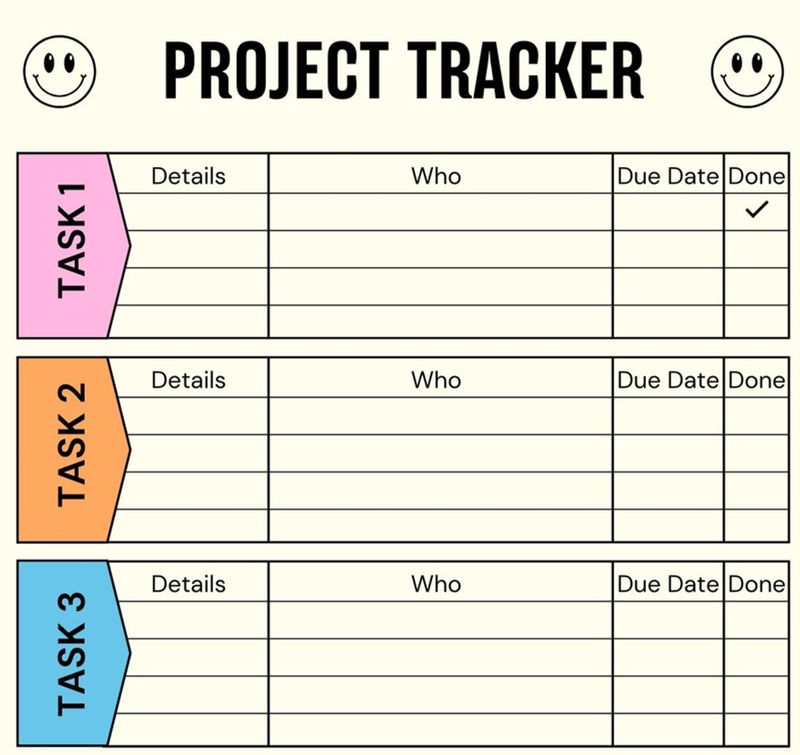
Also, establish one communication channel (e.g., Discord, Slack, group chat) and stick to it to avoid missed messages.
5. Plan Your Time and Set Buffer
Not all tasks are equal. Some need to be done before others.
Plan your workflow:
Task A -> Task B -> Task C
Add buffer time between steps to handle delays. If one person is late, the whole project doesn’t fall behind.

6. Be Supportive and Celebrate Wins
Keep the group positive and engaged.
Example
Celebrate small wins: “Great job on the pollution section. It’s super clear!”
Acknowledge contributions: "Thanks for finding those stats, they really strengthened our argument.”
Support each other: "Want me to review your draft before you submit?”
Create team moments: After finishing the draft, the group sends emojis in the chat. 🎉
These small actions build trust, boost morale, and make people more likely to stay accountable.
Strong relationships = less social loafing and better results

Quiz
Your group has started working, but two people submitted very similar content while another task was missed completely. What’s the BEST way to prevent it?
Take Action

Here’s how to bring these anti-social loafing strategies into your group projects:
Your feedback matters to us.
This Byte helped me better understand the topic.