
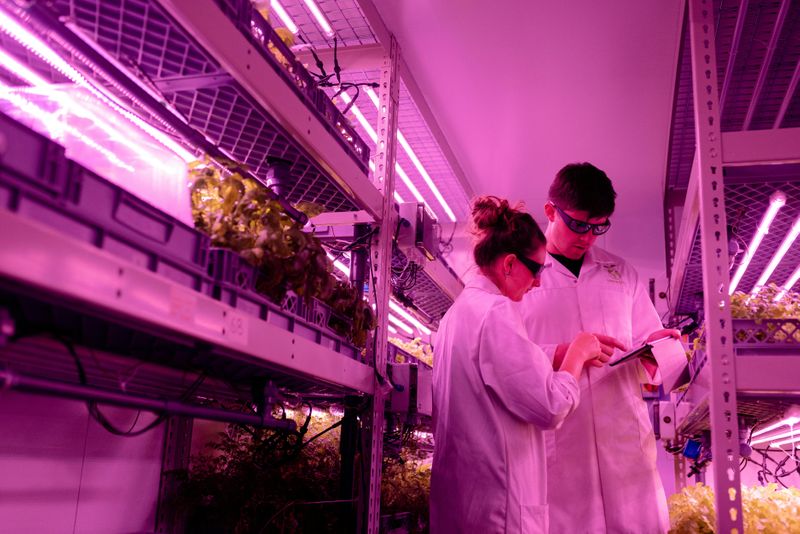
 Photo by ThisisEngineering on Unsplash
You care about food, the environment, or sustainability, but you're not sure if agricultural science is the right study choice for you.
Which statement sounds more like you?
I like to work with plants, animals, and the environment.
I like science, data collection, and problem-solving.
I want to do a career that helps the planet.
I'm unsure and just exploring the options.
If one or more of these statements sound like you, agricultural science may be a good fit.
What is agricultural science?
It covers the study of plants, animals, food systems, soil, and insects, as well as related topics like economics and nutrition.
 It's not only about farming. It includes research, policy, technology, education, and industry roles.
What do agricultural scientists focus on?
Food production: Agricultural scientists study how food is grown, produced, and distributed to support safe and reliable food supplies.
Sustainable farming: The field explores ways to produce food while protecting soil, water, and ecosystems for the future.
Biosecurity and plant/animal health: Agriculture science helps prevent, detect, and manage pests, diseases, and threats to plants and animals.
Climate: Agricultural scientists study how climate conditions affect growing environments, food systems, and long-term resilience.
What will you study?
Plant & animal science fundamentals: You'll learn how plants and animals grow, function, and respond to their environment.
Agricultural biochemistry: You'll study how soil supports plant growth and how agricultural practices interact with the environment.
Food systems and sustainable agriculture: You'll explore how food moves from production to consumption and how to make these systems more sustainable.
Animal health & epidemiology: You'll study how diseases affect animal populations, how diseases spread and how to prevent and manage animal health issues to protect livestock and wildlife.
Quiz
What topics might be a part of your studies in an agricultural science degree?
How can you prepare for the program?
You don't need to be an expert before starting, but preparation can help you feel more confident. Useful ways to prepare include:
Gaining hands-on experience through volunteering, internships, or casual work related to the agriculture field, e.g., jobs in nurseries, farms, or landscaping companies, and volunteering in community gardens or urban farming projects
Having a background in science subjects, such as biology or chemistry
Self-study, such as:
Refreshing basic biology topics (plants, animals, and ecosystems)
Practising simple data skills, e.g., reading graphs, interpreting results
Reading articles or watching short videos related to current agricultural challenges

What can you expect from the program?
Classes and balance: This program combines lectures, tutorials, and practical sessions. You'll also undertake field work. For example, you may visit farms and plant nurseries to observe and collect data, which will help you apply your learning in real-world settings.
Exams and assignments: Assessments typically include lab/fieldwork assignments, written exams, open-book assessments, and quizzes.
Support: You can get support from course coordinators, tutors, and peer mentors.
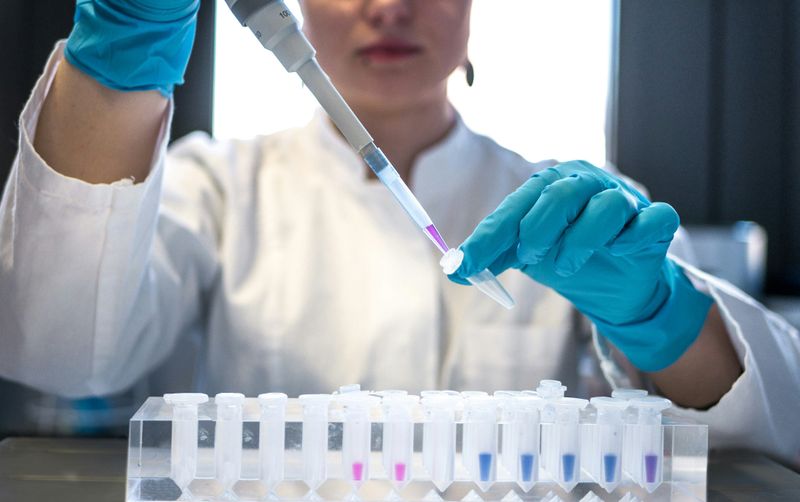 Photo by Julia Koblitz on Unsplash
How can you succeed in the program?
Students who succeed in an agricultural science degree often:
Actively engage in practical classes, lab, and field work
Manage time effectively between theory and practice
Ask questions and seek support
What study options are available?
Majors such as plant science, animal science, or sustainability
Minors or combined study options with areas like environmental science
These options allow you to tailor the degree to your interests and career goals.
What about further study and specialization?
After completing an agricultural science degree, some graduates may choose to specialise through further education. Examples include:
Master of Agriculture Science
PhD in Agricultural Science
What career path can you follow?
There are many different roles you can consider after you graduate:
Agricultural scientist/Research officer: Conduct research to improve crops and soils
Farm managers: oversee daily farm operations
Biosecurity officer: protect agriculture and the environment from pests and diseases
Agronomist: advises farmers on best practices for soil science, pest management, etc.
AgTech specialist: Use data, digital tools, and technology to improve farming and food production
Policy/Extension officer: support decision-making and communication between science and industry
Watch the video below to see some of these careers in action:
Quiz
Meet Mia. She's interested in animal health and how plants grow. She enjoys using digital tools and data for practical assignments in school. Which career might be the best path for her?
Is a program in agricultural science right for you?
Ask yourself:
Do I enjoy science or applied problem-solving?
Agricultural science is built on practical applications of scientific knowledge. You’ll learn to collect and analyse data, understand biological and environmental systems, and solve real-world problems affecting plants, animals, and food systems.
Am I interested in real-world impact (food, climate, environment)?
Agricultural scientists work on food security, environmental management, and climate adaptation, which means your decisions and projects can impact communities, ecosystems, and global food systems
Do I like outdoor, lab, or field-based work?
Agricultural science combines lectures in the classroom/online, laboratory experiments, and fieldwork. You might be in a lab analysing soil samples one day, in a greenhouse monitoring plant growth the next, or on a farm collecting data on livestock.
Am I open to continuous learning and innovation?
Agriculture is constantly evolving with new technologies, scientific discoveries, and sustainability challenges. You’ll need to stay curious and adapt to innovations like precision agriculture, data analytics, and climate-smart farming techniques.
 If you answered:
Mostly yes -> You may be well-suited to agricultural science.
Mixed -> It's worth exploring further.
Mostly no -> Other science or non-science paths may suit you better.
Quiz
What's the best way to develop career skills while studying agricultural science?
Take Action
The right study choice matches who you are and who you want to become. Follow these next steps:

Your feedback matters to us.
This Byte helped me better understand the topic.