
You may have heard of the fight or flight response. Maybe even the freeze response. Another less well-known trauma response is the fawning response.
 Have you ever found yourself being so careful to avoid conflict that you don't bring up your own needs and opinions?
This quiet avoidance can be a potential sign of the fawning response. The good news is you can learn to recognize this unhealthy coping mechanism in yourself and others.
What is the Fawning Response?
The fawning response is an automatic and protective reaction to harmful and abusive behavior.
 Fawning is like people-pleasing. People who fawn learned to please others to protect themselves from harm, abuse, and conflict.
If you've ever felt scared of upsetting someone, so you changed your behavior to make them happy or made adjustments based on small signals of unhappiness, you were showing signs of the fawning response.
What Does Fawning Look Like?
When these behaviors are instinctual and fear-based, they're examples of the fawning response:
Agreeing with someone to avoid upsetting them
Going along with someone's plans that make you uncomfortable
Ignoring your needs to focus on others
Saying and doing things that you don't want to, to end conflict
 Photo by Gursimrat Ganda on Unsplash
Dr. Vanessa Milagros, PhD, provides more examples in this TikTok:
Quiz
Katie's partner tells her she should wear a sweater to stay covered up. It's a warm day and she wanted to show off her favorite dress. Which of the following are examples of the fawning response? Select all that apply.
Why Does Fawning Happen?
The reason behind your behavior determines if it's fawning or if you're consciously choosing to be helpful and cooperative.
There are times when you may choose to do something that's in someone else's best interest or conform to what others want. This doesn't mean you're fawning.
 Photo by Jonathan Cooper on Unsplash
Fawning is driven by the fear of making things worse and is done to avoid the consequences that could happen if you don't give in to whoever you feel threatened by.
Things you might be thinking and feeling that could lead to a fawning response:
You feel threatened by conflict, so you aim to immediately please the person opposing you
You're unsure of your own opinions and feelings (not trusting yourself)
You don't have a clear sense of self
You ignore your own needs and beliefs,so you let others decide what's best
You don't know how to uphold healthy boundaries
Example of the fawning response:
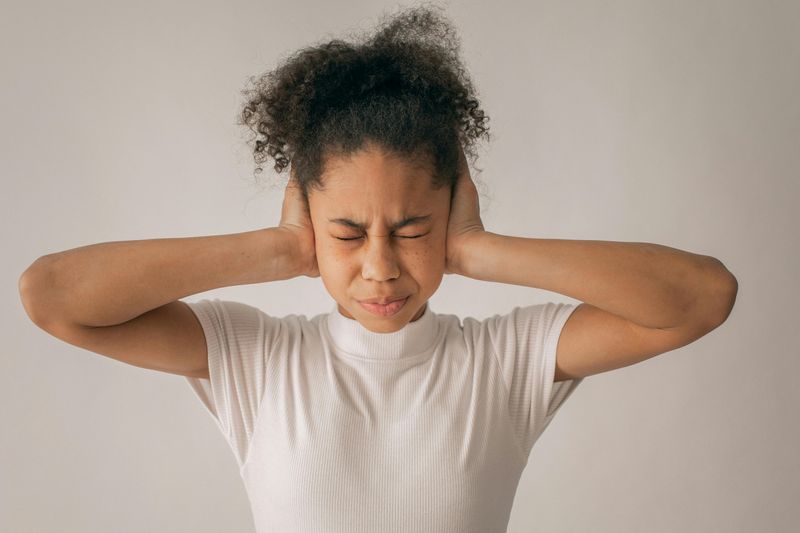 Image courtesy of Monstera Production via Pexels
Olivia is used to being yelled at by her mother for "talking back." She learns that if she keeps quiet, her mother stays calmer. She's scared to speak up and say the "wrong" thing. When her mother starts yelling at her, Olivia knows what to say to appease her and avoid fighting.
Often, this fawning response becomes a pattern that continues beyond where you first learned to react this way. So, in this example, it's likely that Olivia would be scared to speak up in other relationships.
Quiz
You agree to help your friend move even though you don’t really want to. Which reasons would suggest that this is a fawning response? Select all that apply:
What Are the Negative Impacts of Fawning?
Another way to see signs of the fawning response is by its effects on your life. You may:
Feel disconnected from people since you're focused on meeting others' needs

Struggle to understand your feelings and not allow yourself to express them
Have chronic pain or illness symptoms

Feel numb or depressed
How Do I Self-Reflect on the Fawning Response?
If you're trying to recognize whether one of your behaviors is a fawning response, you can ask yourself these questions:
Was I thinking through options? Or was this an automatic response?
What do I believe about this situation? Does my response reflect this belief?
Am I doing this because I want to? Or because someone else wants me to?
How am I feeling? Am I trying to be responsible for another person's feelings?
Did I share my thoughts? Does it seem like my opinion mattered in this situation?
 Photo by Jonathan Cosens Photography on Unsplash
Take Action
 Learn more about the fawning response:
Your feedback matters to us.
This Byte helped me better understand the topic.